
 | |
| The Briarmont Yarrow League | |
| Type | Activist, Charity |
|---|---|
| Motto | “Better that than nobody noticing when the town starts to rot.” |
| Also known as | The Yarrow Brigade |
| Founded | 1910 |
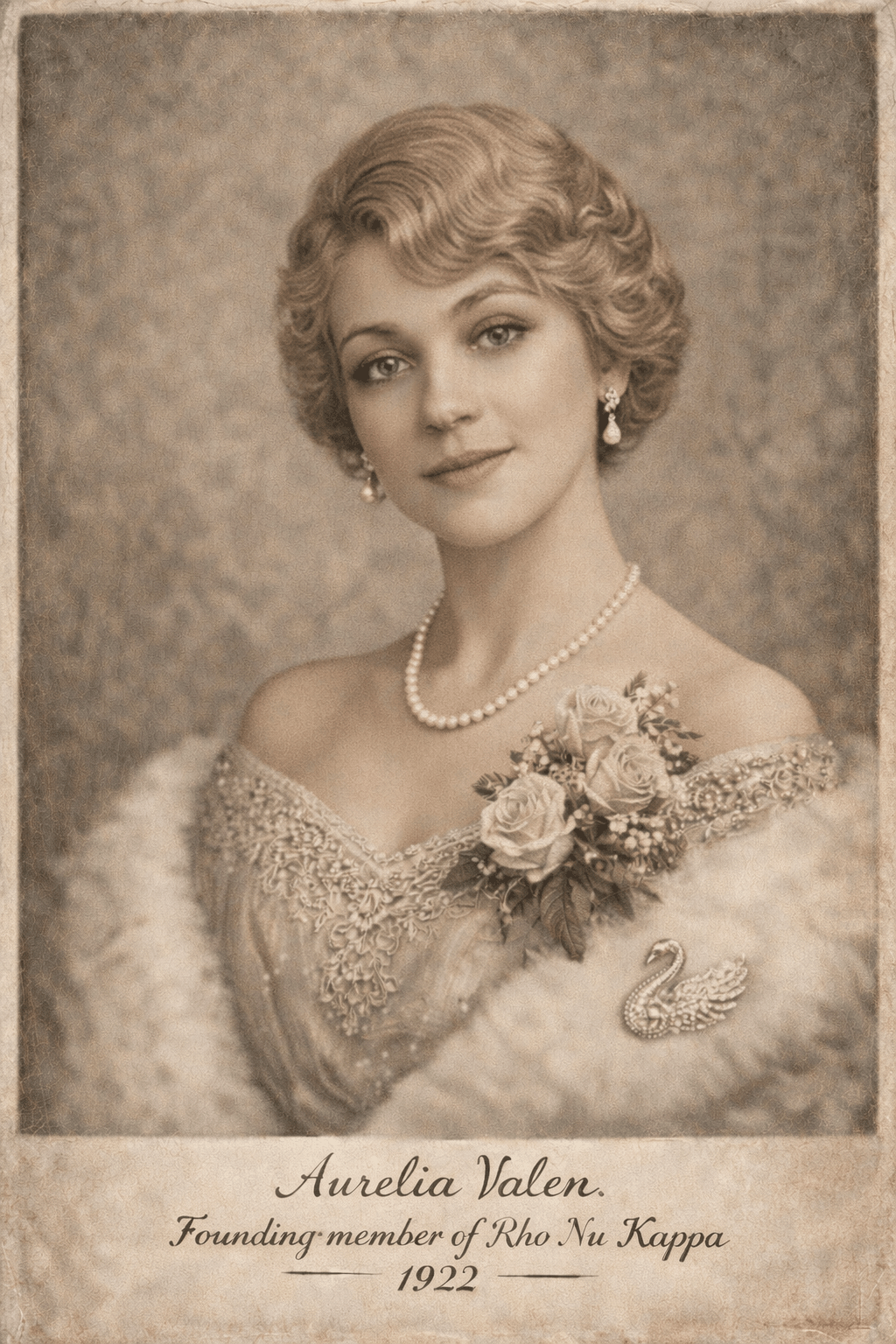
| Other members | Aurelia Valen Eliza Harrow Ashton Margaret Ellery Ashton |
Overview
Though its public image has softened over time, the League has never entirely lost the instincts it was founded with. To outsiders, it may appear to be little more than a respectable women’s club devoted to gardening, bridge, charity drives, scholarships, local history, and community events. Those who know Briarmont more intimately understand that beneath that genteel exterior lies an organization with long memory, deep local roots, and a habit of mobilizing when something serious threatens the town, its people, or its character.
History
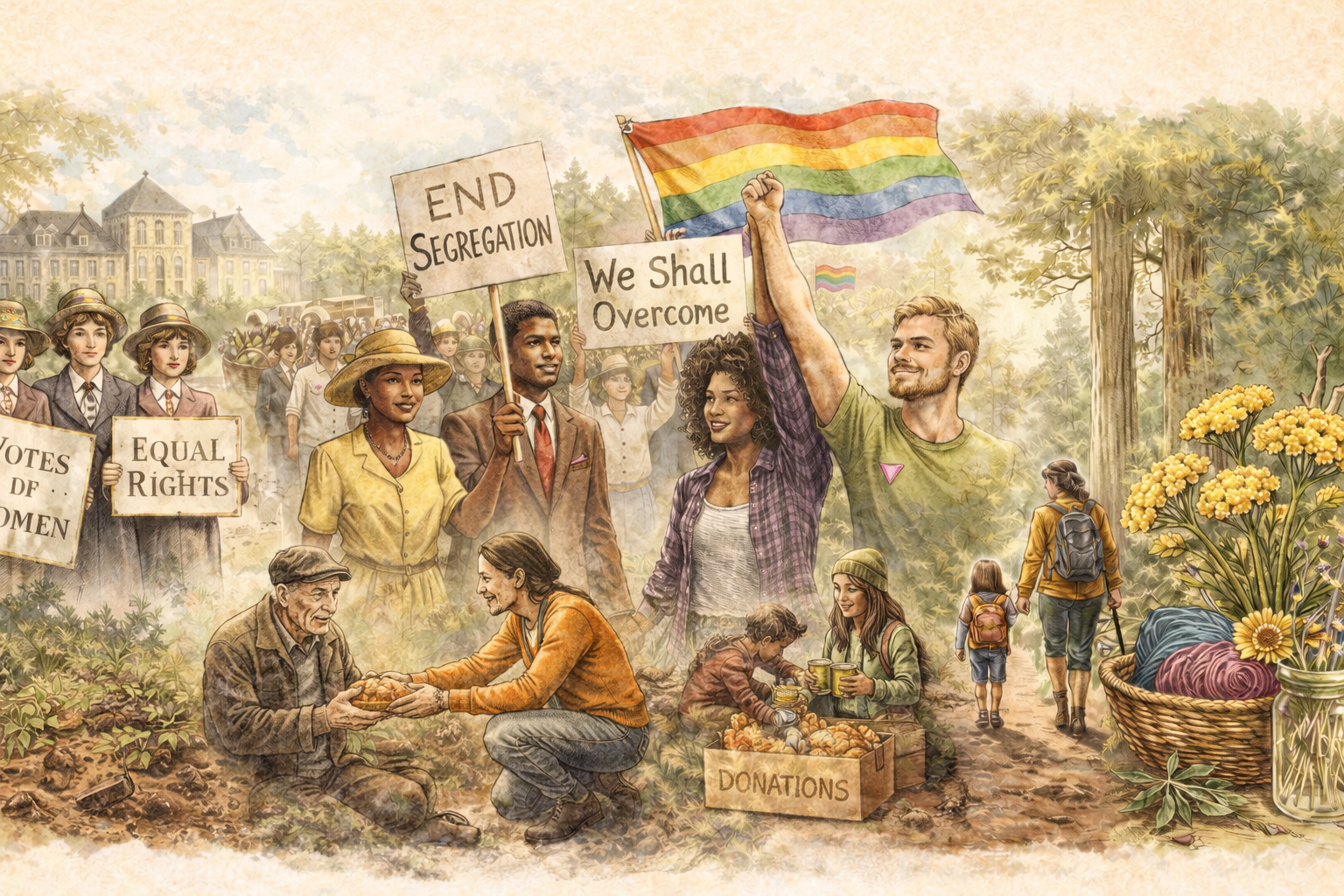
The Briarmont Yarrow League was founded in 1910 by a loose but determined coalition of Briarmont women who believed that political and civic life could no longer remain the exclusive domain of men. In its earliest years, the League focused on women’s suffrage in California, creating a space where women could organize, share resources, and argue for a larger public role in town life. Its membership drew from across Briarmont’s social fabric: wives, daughters, widows, teachers, shopkeepers, churchwomen, and working women who were tired of being treated as moral support for the town rather than as participants in it.
When California women won the vote in 1911, the League did not dissolve. Instead, it shifted its energy toward the national suffrage movement and continued to expand its local civic role. In these years, it established itself as one of the few stable women-led institutions in Briarmont, quietly building influence through community work, mutual aid, public discussion, and political organizing.
Following the ratification of the 19th Amendment in 1920, the League survived the victory that had first given it purpose. Rather than disbanding, it redefined itself as a permanent women’s civic organization. Over the decades that followed, it adapted repeatedly, attaching itself to the major moral, political, and community questions of each era while never abandoning its local identity.
Throughout the middle of the twentieth century, the League focused heavily on mutual aid, education, widows and families, and the preservation of women’s influence in public life. During the civil rights era, parts of the organization broadened their understanding of justice and equality, bringing the League into the orbit of wider national questions about dignity, access, and belonging. In the 1970s and 1980s, the League became increasingly active in local preservation and environmental causes, particularly those related to Briarmont’s flora, surrounding landscapes, and the redwood forests that define the region. This shift was especially fitting in a town whose history is inseparable from timber extraction, environmental damage, and the long afterlife of those choices.
By the late 1990s and into the early 2000s, the League’s activism expanded again as younger members pushed it toward a more inclusive understanding of community welfare. Questions of gay rights, women’s safety, economic precarity, and the protection of vulnerable people found their way into the League’s modern identity. Not every transition was smooth, and not every generation within the organization agreed on what its purpose ought to be. Even so, the League endured.
Modern Role
In the present day, the Briarmont Yarrow League functions as both a civic society and a quiet local network. Publicly, it is associated with gardening competitions, charity drives, scholarship funds, historical preservation, holiday events, community tables, quilting circles, bridge afternoons, and town beautification. Many residents, especially younger ones, dismiss it as a collection of older women who gossip over tea and fuss over flowerbeds.
That impression is not entirely wrong, but it is incomplete.
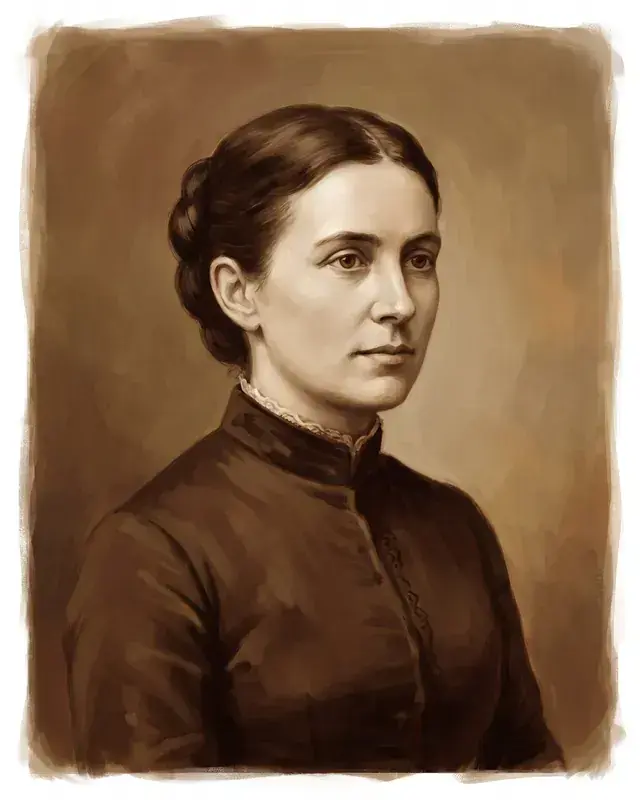
Famous Members
Culture
Among longtime residents, the League is often respected even when it is mocked. Among newcomers, it is more likely to be underestimated. The Briarmont Homeowners Association, in particular, tends to regard the League as a relic of another era: a circle of elderly women who garden, knit, gossip, and meddle in matters too large for them. The irony, of course, is that both organizations traffic in social knowledge and local pressure. The difference is that the Homeowners Association uses gossip as a tool of status and exclusion, while the Yarrow League has historically used it as information: a means of protecting people, recognizing danger early, and understanding the shifting moral weather of Briarmont.
Common Activities
The Briarmont Yarrow League is known for the following:
Community gardening and seasonal planting
Scholarship fundraising
Bridge, quilting, and social afternoons
Historical preservation and archival interest
Holiday drives and mutual aid work
Support for women in crisis
Quiet political pressure when local issues demand it
Environmental and preservation causes tied to Briarmont’s landscape
Membership
Historically, the League was women-led and woman-centered, though never entirely uniform in class, temperament, or politics. In the modern day, it remains primarily identified as a women’s civic institution, but its broader social orbit includes allies, relatives, volunteers, and those who support its causes without formally belonging to it.
Public agenda
The Briarmont Yarrow League publicly presents itself as a women-led civic organization dedicated to the welfare, continuity, and character of Briarmont. Its stated purpose is to support the town through mutual aid, preservation, advocacy, and community stewardship rather than through open political ambition.
Its motivations are primarily internal. The League is driven by long-held values of solidarity, vigilance, resilience, and civic responsibility. Its members see themselves as caretakers of Briarmont’s memory and social fabric, shaped by the belief that communities do not remain healthy without people willing to quietly maintain them.
At the same time, the League has always been sharpened by external pressures. It was born from political exclusion, strengthened by wartime necessity, and repeatedly redirected by the major social causes of each era, from suffrage and civil rights to environmental preservation and modern questions of safety, inclusion, and local welfare.
In this way, the League’s public agenda is both principled and reactive: guided by inherited values, but constantly reshaped by whatever Briarmont most needs defended.